
Managing Diabetes Mellitus is not just about medication—it’s a lifestyle commitment, and diet plays the most crucial role. Whether you have Type 1, Type 2, or prediabetes, what you eat directly impacts your blood sugar levels, energy, and overall health. A well-structured diet can help stabilize glucose levels, prevent complications, and improve quality of life.
This comprehensive guide will walk you through everything you need to know about creating a balanced, sustainable diet plan for diabetic patients.

Understanding Diabetes and Diet
Diabetes is a condition where the body either doesn’t produce enough insulin or cannot use it effectively. Insulin is responsible for helping glucose (sugar) enter cells to be used as energy. When this process is disrupted, blood sugar levels rise.
Food, especially carbohydrates, has the biggest effect on blood sugar. That’s why managing carb intake, choosing the right foods, and maintaining portion control are essential.
Core Principles of a Diabetic Diet
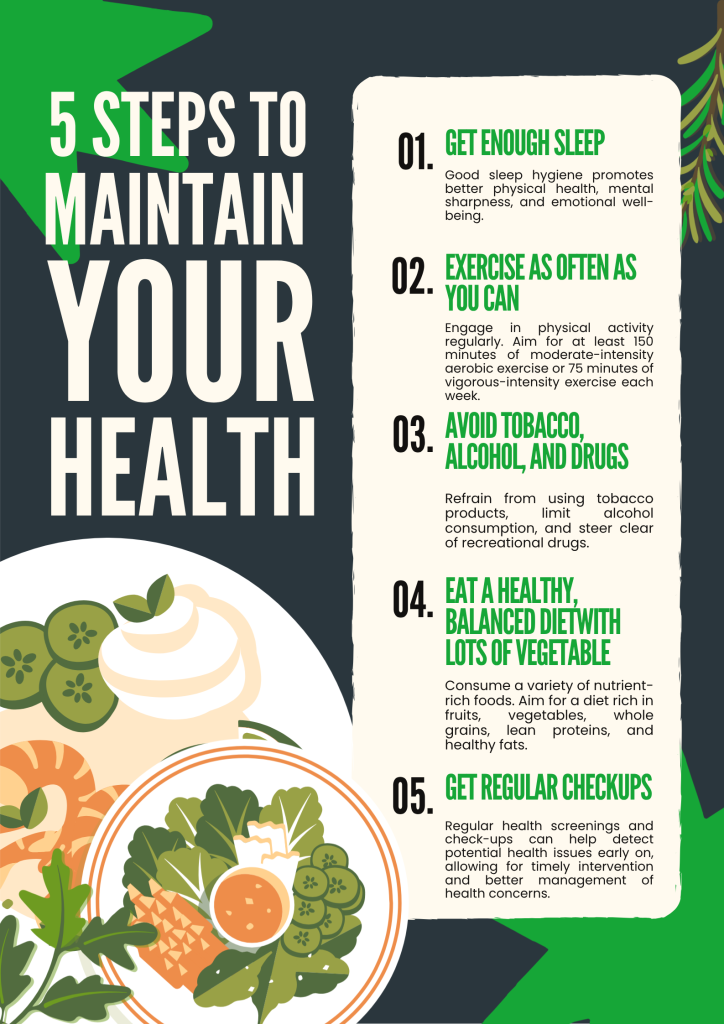
Before diving into a full diet plan, it’s important to understand the basic principles:
1. Balance is Key
A diabetic diet should include:
- Carbohydrates (controlled)
- Protein (moderate)
- Healthy fats (essential)
2. Focus on Low Glycemic Index (GI) Foods
Foods with a low GI release sugar slowly into the bloodstream. Examples include:
- Whole grains
- Legumes
- Non-starchy vegetables
3. Eat Small, Frequent Meals
Instead of 2–3 large meals, aim for 5–6 smaller meals throughout the day. This helps prevent spikes and crashes in blood sugar.
4. Fiber is Your Friend
High-fiber foods slow down digestion and sugar absorption.
5. Avoid Refined Sugar and Processed Foods
Cut back on:
- Sugary drinks
- White bread
- Packaged snacks
Ideal Daily Diet Plan for Diabetic Patients
Here’s a practical, easy-to-follow daily meal plan.
🌅 Early Morning (6:00–7:00 AM)
- 1 glass of warm water with lemon
- 5–6 soaked almonds or walnuts
Why?
Helps kickstart metabolism and provides healthy fats.
🍳 Breakfast (8:00–9:00 AM)
Options:
- Vegetable oats or दलिया (broken wheat)
- 2 whole-grain rotis with vegetable curry
- 1 boiled egg or paneer (for protein)
- Unsweetened tea or coffee
Tips:
- Avoid white bread and sugary cereals
- Add protein to keep you full longer
☀️ Mid-Morning Snack (11:00 AM)
- 1 fruit (low GI):
- Apple
- Guava
- Papaya
- OR a bowl of sprouts salad
Avoid: Mango, banana (in excess), grapes (high sugar)
🍛 Lunch (1:00–2:00 PM)
A balanced plate should include:
- 1–2 whole wheat rotis OR small portion of brown rice
- 1 bowl dal or legumes
- 1 bowl green vegetables (spinach, beans, लौकी)
- Salad (cucumber, tomato, carrot)
- Curd (unsweetened)
Key Tip:
Fill half your plate with vegetables, one-quarter with protein, and one-quarter with carbs.
☕ Evening Snack (4:30–5:30 PM)
Options:
- Roasted chana
- Green tea + 1–2 multigrain biscuits
- Boiled corn (small portion)
- Vegetable soup
Avoid: Fried snacks like samosas, pakoras
🌙 Dinner (7:30–8:30 PM)
- 1–2 rotis (no rice ideally at night)
- Light vegetable curry
- Paneer/tofu/chicken (grilled or cooked with less oil)
- Salad
Important:
Keep dinner light and eat at least 2 hours before bedtime.
🌜 Bedtime Snack (Optional, 10:00 PM)
- 1 glass of warm milk (unsweetened)
- OR a handful of nuts
This helps prevent nighttime blood sugar drops.
Foods to Include in a Diabetic Diet
✅ Whole Grains
- Brown rice
- Oats
- Quinoa
- Whole wheat
✅ Vegetables
- Spinach
- Broccoli
- Bitter gourd (karela)
- Bottle gourd (lauki)
✅ Fruits (in moderation)
- Apples
- Pears
- Berries
- Guava
✅ Protein Sources
- Eggs
- Fish
- Chicken (lean)
- Lentils
- Paneer and tofu
✅ Healthy Fats
- Nuts
- Seeds
- Olive oil
- Mustard oil

Foods to Avoid
❌ Sugary Foods
- Sweets, मिठाई
- Soft drinks
- Fruit juices (packaged)
❌ Refined Carbs
- White bread
- Pasta
- Maida products
❌ Fried and Processed Foods
- Chips
- Fast food
- Frozen snacks
❌ High-Fat Dairy
- Cream
- Butter (in excess)
Portion Control: The Hidden Secret
Even healthy foods can raise blood sugar if eaten in large quantities. Use these tricks:
- Use smaller plates
- Avoid second servings
- Measure portions initially
- Eat slowly
Importance of Hydration
Water helps regulate blood sugar levels. Aim for:
- 8–10 glasses of water daily
- Coconut water (occasionally, in moderation)
- Avoid sugary drinks
Role of Exercise Alongside Diet
Diet alone isn’t enough. Combine it with:
- 30 minutes of walking daily
- Yoga or light exercise
- Strength training (2–3 times a week)
Exercise improves insulin sensitivity and helps manage weight.
Special Tips for Indian Diets
For people in India, managing diabetes doesn’t mean giving up traditional foods. Instead:
- Replace white rice with brown rice or millets (like ragi, jowar)
- Use less oil in curries
- Switch to multigrain atta
- Include traditional superfoods like:
- Methi seeds
- Karela juice (in moderation)
Common Mistakes to Avoid
- Skipping meals
- Overeating “diabetic-friendly” foods
- Drinking fruit juices instead of whole fruits
- Ignoring hidden sugars in packaged foods
- Not reading nutrition labels
Sample Weekly Variation (Quick Ideas)
To avoid boredom:
- Swap oats with besan chilla
- Replace dal with rajma or chole (controlled portions)
- Alternate between paneer, chicken, and fish
- Try different vegetable combinations

Final Thoughts
Living with Diabetes Mellitus doesn’t mean giving up delicious food—it means making smarter choices. A good diet plan is not about strict restrictions but about balance, consistency, and awareness.
Small, sustainable changes—like switching to whole grains, controlling portions, and eating regularly—can make a huge difference over time. Pair this with an active lifestyle and regular monitoring, and diabetes can be effectively managed.